The first evening you leave your phone in another room feels strangely loud.
The TV hums, the fridge clicks on, a neighbor laughs in the stairwell, and for once you notice every sound because you’re not scrolling past it. You reach for your pocket three times in ten minutes. Phantom vibration, phantom notification, phantom “just checking something”.
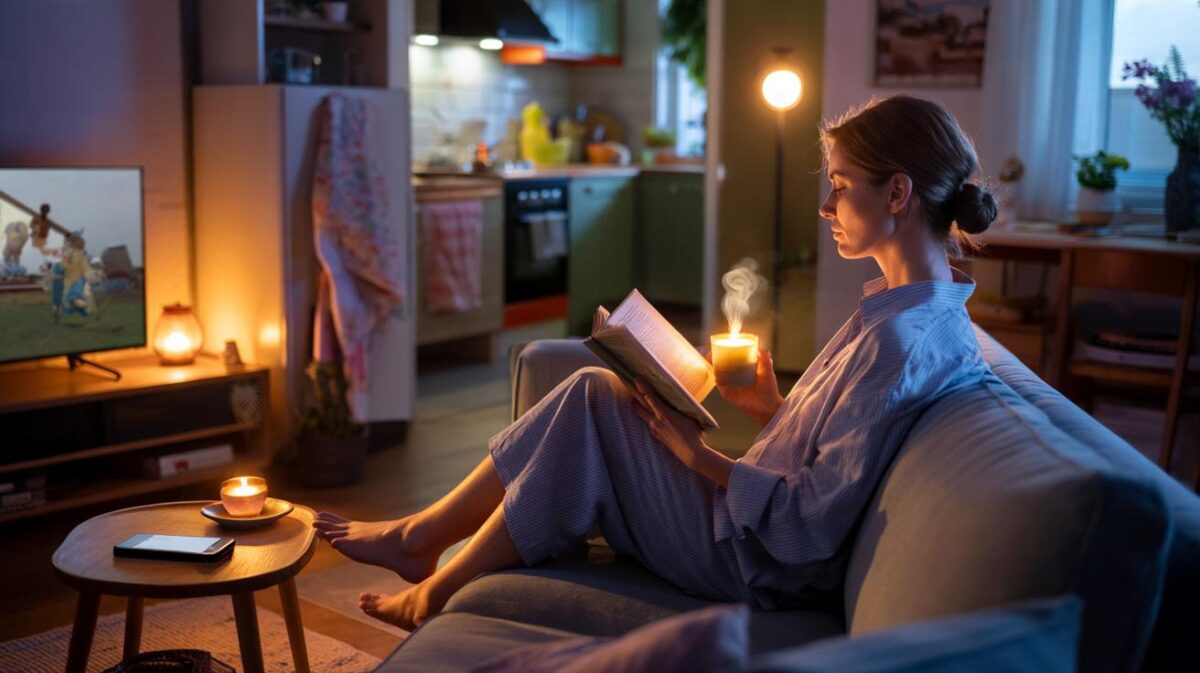
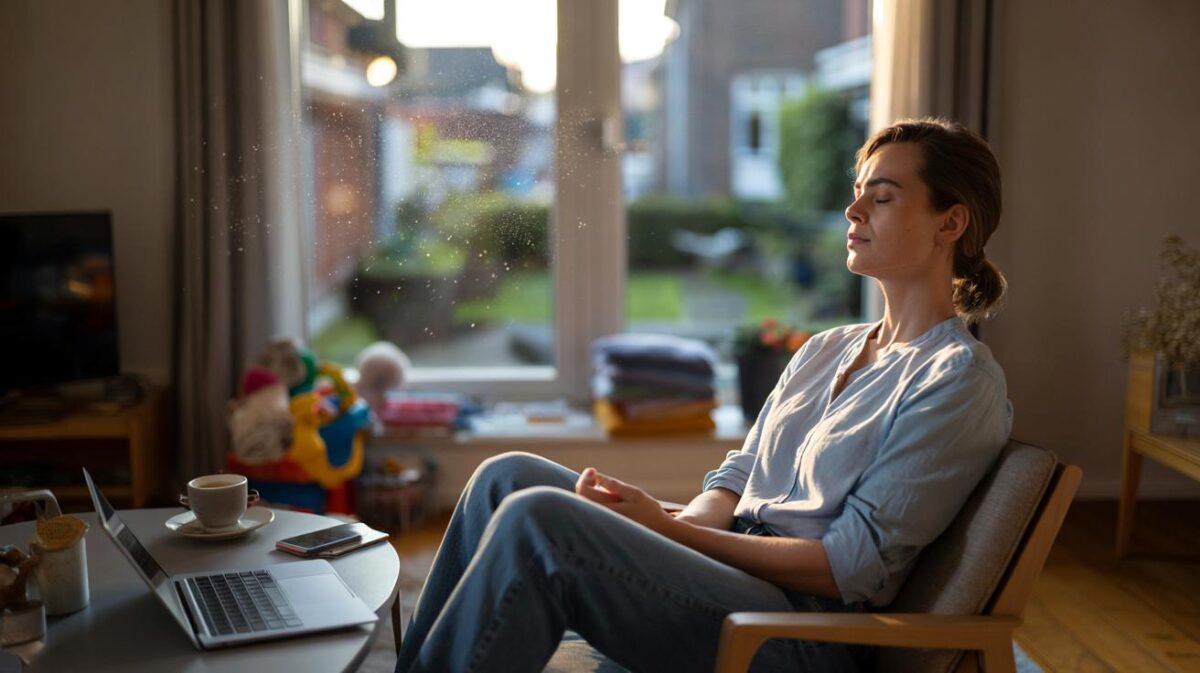
You sit on the sofa, fingers twitching like they don’t know what to do with this empty space. Minutes stretch. Then you look up and really see the room. The plant you forgot to water. The book you’ve been “meaning to start” for six months. The person sitting across from you, who suddenly looks less like background decoration and more like… someone you could talk to.
That’s when you realize: something is quietly shifting.
What changes inside your head when you step away from the feed
The first visible change isn’t magical productivity or monk‑like calm.
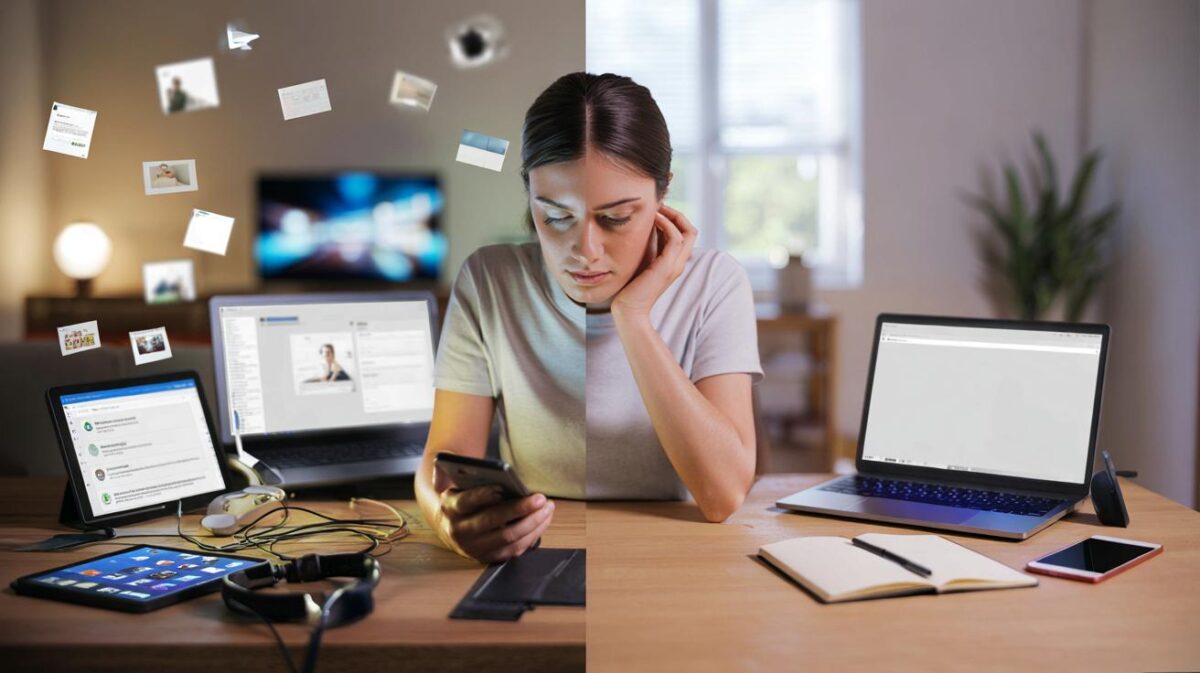
It’s boredom. A raw, slightly itchy boredom that arrives where your Instagram reflex used to be. Your brain has been trained to expect a hit of novelty every few seconds. When you don’t give it that, it protests a bit.
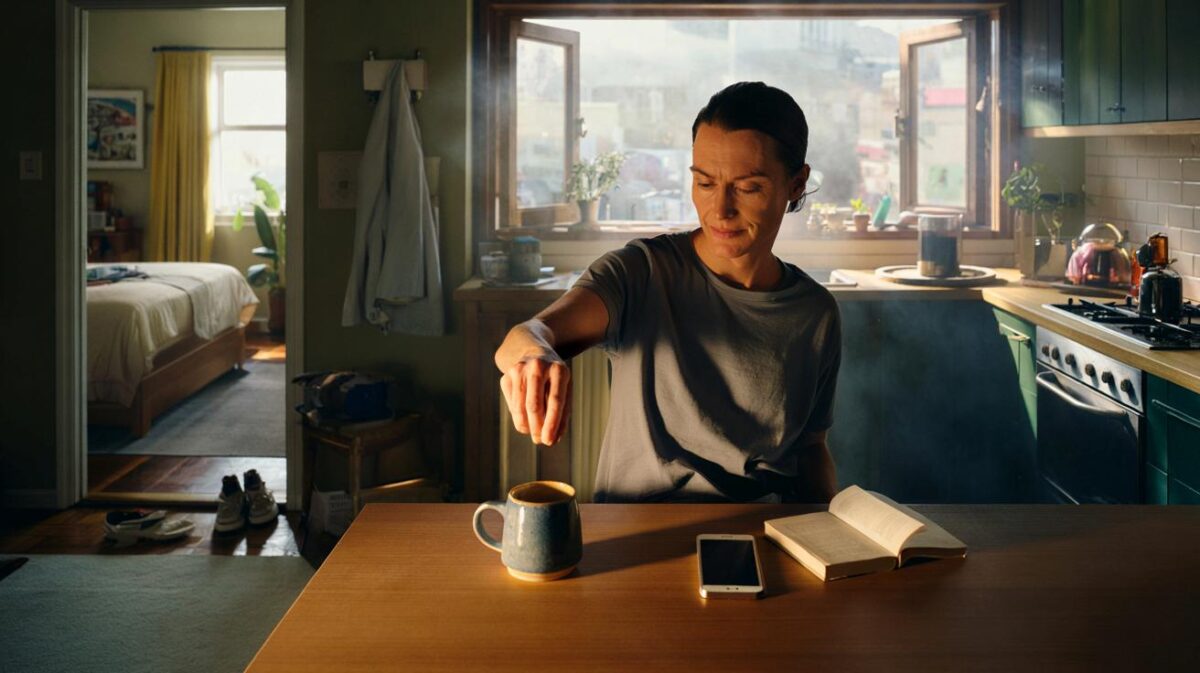
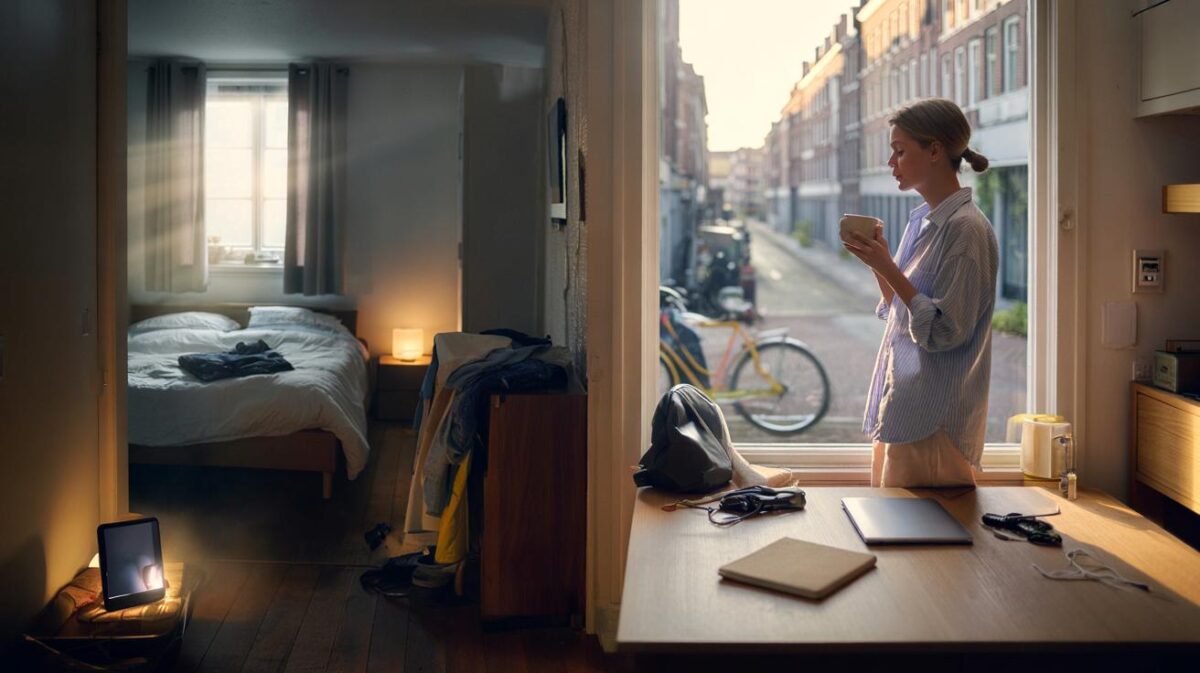
But underneath that impatience, there’s a softer layer. Your thoughts start to string together again. You remember a half-finished idea from last week. You notice you’re less jumpy when a message comes in. You can drink a coffee without constantly checking who just posted what. It’s like lowering the background noise in a crowded bar and, for the first time, hearing your own voice again.
A Dutch survey by Newcom Research reported that millions of users are “taking breaks” from platforms like Instagram and TikTok, often without announcing it publicly.
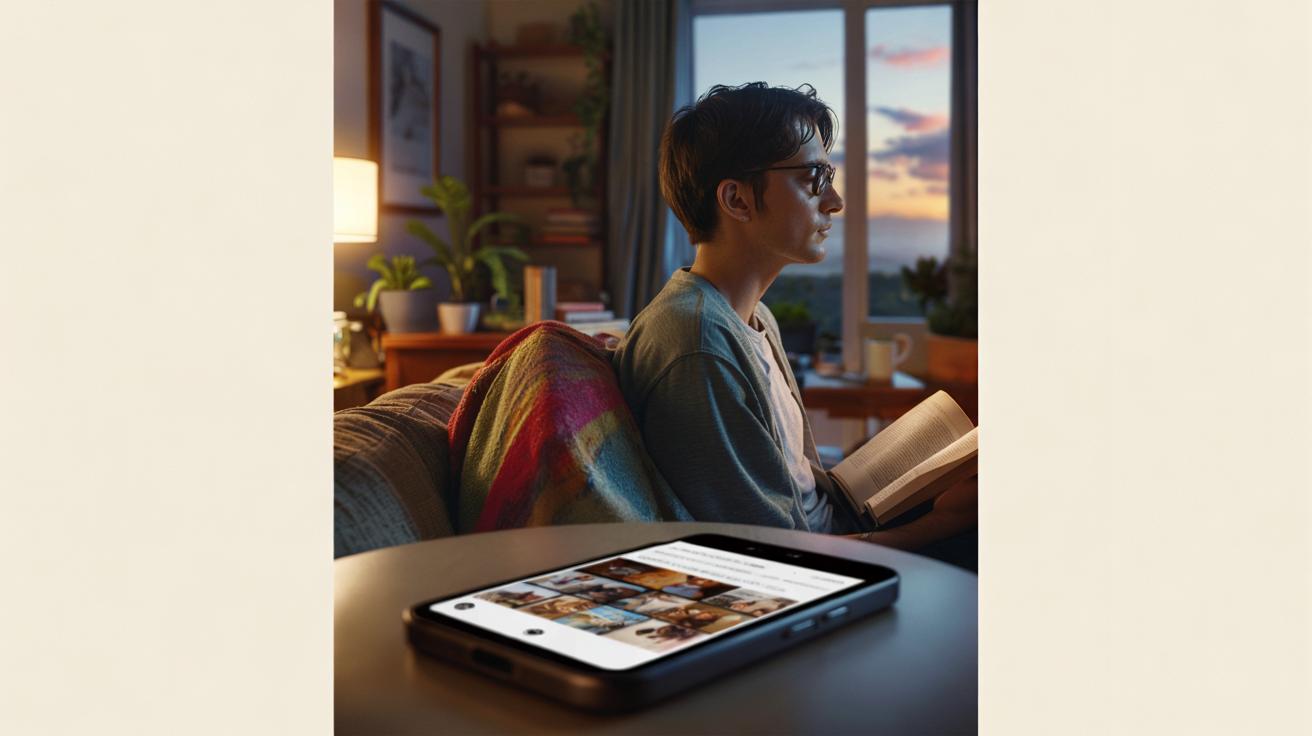
They don’t always delete their accounts. They just quietly shift the balance, shaving off an hour here and there. One student I spoke to, Sanne (23), decided to remove social media apps from her phone during exam week. She kept them on her tablet at home, so access was still possible, just not frictionless.
On day one she felt restless and kept reaching for a missing icon. On day three she noticed something else: she finished an entire chapter of her textbook without her eyes drifting to the corner of the screen. By the end of the week, she said she “had her brain back”. She reinstalled the apps later, but her usage never went back to old levels.
What’s actually going on here is very down-to-earth neuroscience.
Every scroll, like, or fresh video gives your brain a tiny dose of dopamine. Over time your attention system learns that quick hits of novelty are always available, so it starts craving them more. Long, quiet focus suddenly feels heavy and slow.
When you consciously cut down your social media time, you’re not becoming a saint. You’re just nudging that reward system to recalibrate. The first few days can feel flat because your brain is waiting for its usual treats. Then it slowly starts to find reward in other places again: a finished task, a real conversation, a walk outside. *That’s when less screen time stops feeling like deprivation and starts feeling like relief.*
How to spend less time online without going full digital hermit
One of the most effective moves is also the least dramatic: don’t delete everything, just make it inconvenient.
Move your social apps into a folder on the last screen of your phone. Log out, so you have to type your password every time. Turn off all non-essential notifications for a week and see what actually happens. Spoiler: not much explodes.
➡️ Waarom sommige mensen zich beter kunnen concentreren na een korte wandeling
➡️ Wat het betekent als je moeite hebt om eenvoudige beslissingen te nemen
➡️ Onderzoekers leggen uit hoe stress invloed heeft op dagelijkse keuzes
➡️ Hoe kleine veranderingen in verlichting je concentratie kunnen beïnvloeden
➡️ Wat je lichaam aangeeft wanneer je ’s avonds meer trek hebt dan overdag
➡️ Waarom mensen met een vaste ochtendroutine zich vaak stabieler voelen
➡️ Hoe regelmatig dezelfde werktijden aanhouden je productiviteit kan verbeteren
➡️ Waarom mensen die hun taken opschrijven zich minder gestrest voelen
Set a “social slot” in your day instead of grazing all the time. Fifteen minutes after lunch. Fifteen minutes in the evening. That’s it. Use a basic screen-time limit on your phone and treat it like closing time at a bar. The app goes dark, and you’re gently kicked out into the fresh air.
A lot of people fail at spending less time on social media because they try to quit like a movie hero.
One bold speech, one big delete, one new life. By day three they’re back in the comments at 1:30 a.m., feeling worse than before. Let’s be honest: nobody really does this every single day.
A kinder approach is to assume you will slip. You will tap out of habit. You will fall into a thread about some stranger’s relationship drama. When that happens, just notice it. Close the app. Ask yourself what you actually meant to do with this moment. The goal isn’t perfection. The goal is awareness. Once you can see your own pattern, you can start changing it bit by bit, without the self‑hate spiral.
“After I cut my social media time in half, the biggest shock wasn’t having ‘more time’,” said Jeroen, 34. “It was realizing how much calmer my brain felt. I didn’t wake up angry about some random debate between people I don’t even know.”
- Move apps off your home screen so they’re out of sight, out of reflex.
- Switch your display to black-and-white for a day; the feeds become less addictive.
- Decide two social moments per day, then close the apps without scrolling outside those windows.
- Replace one scrolling session with something tiny but concrete: a walk around the block, one page of a book, two stretches.
- Notice your mood before and after you go online; write down three words for each in a note.
What you start to notice when the noise goes down
After a few weeks of consciously cutting back, life doesn’t suddenly become cinematic.
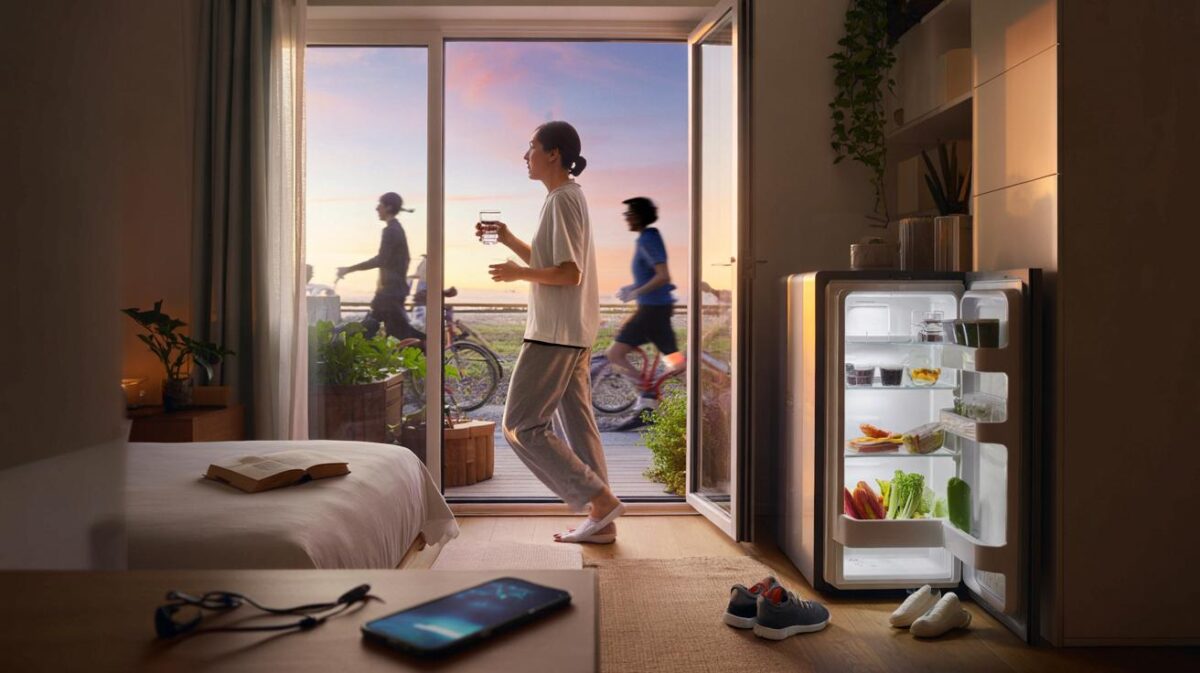
You still have laundry and bills and weird group chats. But the texture of your day shifts. You might find you can actually finish a thought in the shower without mentally drafting a post about it. You may catch yourself watching a sunset without needing to prove it happened.
Some people realize they feel less insecure because they’re not comparing their Tuesday afternoon to someone else’s edited highlight reel. Others notice their friendships change shape; there are fewer emoji reactions and more actual calls. A few readers have told me they started sleeping better just because their mind wasn’t revved up by late-night doomscrolling.
The real surprise is that you don’t necessarily miss the content you skip. What you remember is the space you get back. The quiet moments on the sofa. The half hour you spent talking to your partner instead of scrolling side by side. The inner room that opens up when you stop renting your attention to every platform that asks for it with a red dot.
| Key point | Detail | Value for the reader |
|---|---|---|
| Smaller, conscious cuts beat dramatic detoxes | Move apps, limit windows, use friction instead of total deletion | Makes change realistic and sustainable in real life |
| Expect boredom and restlessness at first | Brain is recalibrating from constant dopamine hits | Reduces panic and guilt, helps you push through the first days |
| Use reclaimed time for simple, concrete actions | Walks, short calls, reading one page, cleaning one corner | Transforms empty “screen gaps” into moments that actually feel good |
FAQ:
- Question 1How many hours on social media per day is still “healthy”?There’s no magic number that fits everyone. Many psychologists suggest aiming for under two hours of non-work social media per day, especially if you notice mood swings or concentration problems. Start by measuring your current usage for a week, then try trimming 20–30 minutes and see how you feel.
- Question 2Do I have to delete my accounts to feel the benefits?No. A lot of people feel better simply by adding friction: logging out, turning off notifications, or using social media only on a laptop. Deletion can work if you’re really stuck, but for most users, gentle limits are already a big step.
- Question 3What if my work depends on being active on social media?Then your goal isn’t zero use, but clear boundaries. Separate “work use” from “mindless scroll time”. Schedule specific slots to post, reply, and check analytics. Outside those slots, keep the apps closed, just like you would leave an office at the end of the day.
- Question 4Why do I feel anxious when I don’t check my feeds?That anxiety often comes from FOMO and from a nervous system used to constant stimulation. When you step back, your brain thinks something is wrong. The feeling usually eases after a few days if you stick with your new routine and fill the gaps with grounding activities like walking or calling a friend.
- Question 5How can I stay in touch with friends without being online all the time?Try shifting some of your contact to more intentional channels: short voice messages, planned phone calls, or real-life meetups. You can tell close friends you’re spending less time on social media and share the best ways to reach you. Most people understand, and some might even join you.