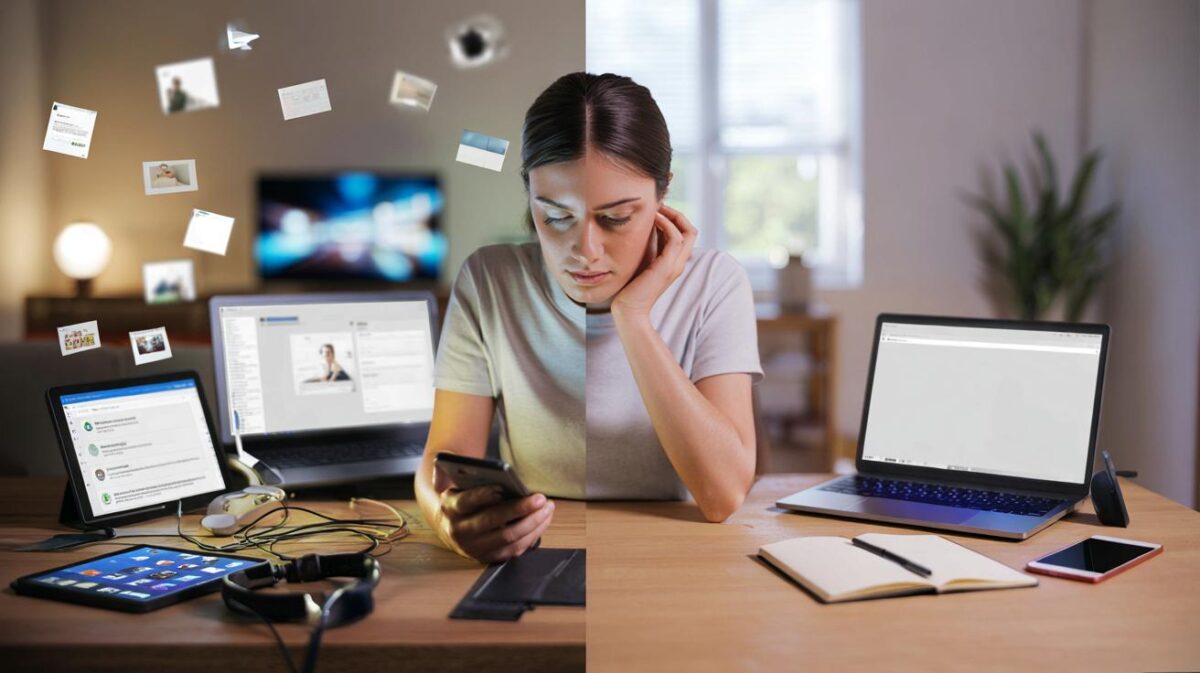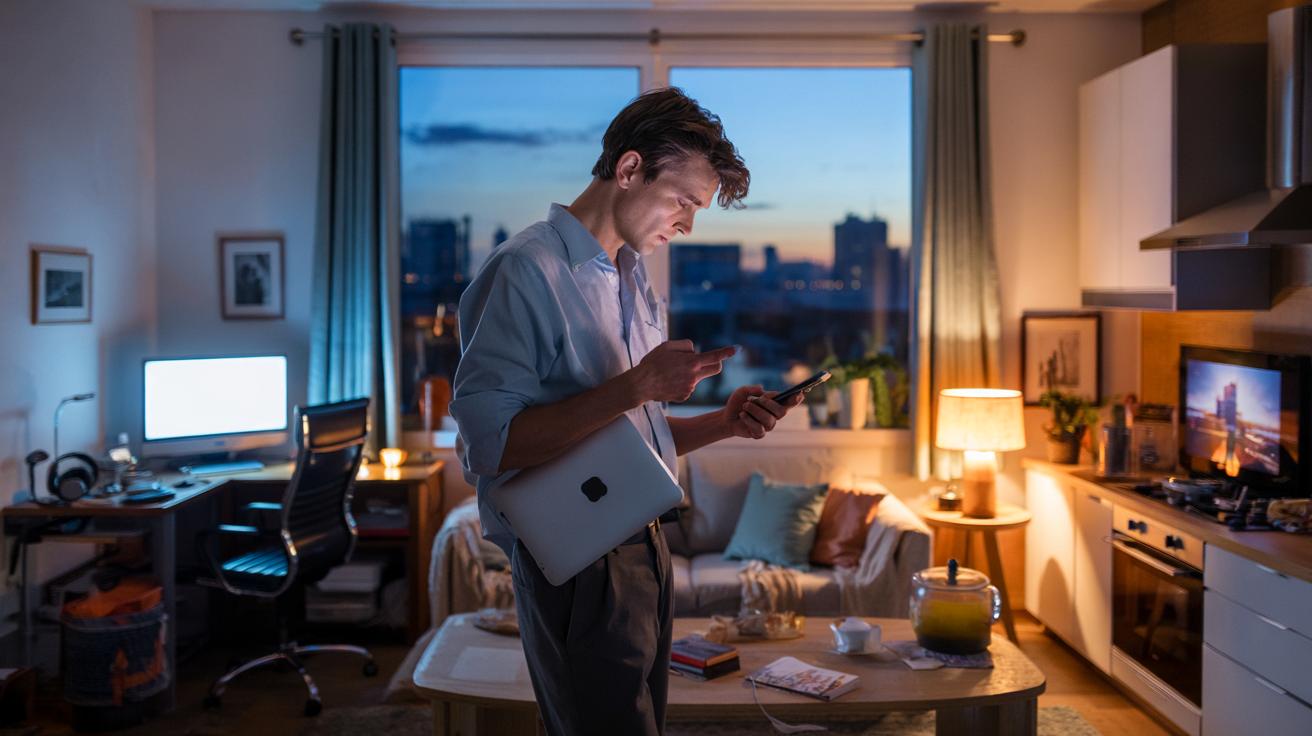
The laptop is technically closed, but your brain is still in the meeting. You stand in your kitchen scrolling through your phone, half-reading group chats, half-replaying that one sentence your manager said at 4:47 p.m. The pasta is boiling, a podcast is playing in the background, your partner asks something from the living room, and you realise you didn’t hear a single word. Your body is home. Your mind is still sitting under office neon lights.
You sit on the couch thinking you’ll “relax a bit” and somehow end up checking your emails “just to be safe”. You’re tired, wired and strangely restless.
Something in the system refuses to switch off.
Why your brain doesn’t clock out when your workday ends
You’d think closing the door of the office or shutting the laptop is like flipping a switch. Work mode off, evening mode on. Except that’s not how the human nervous system works. Your body has been running on alert for hours, juggling tasks, deadlines, pings. That state doesn’t disappear just because Outlook is closed.
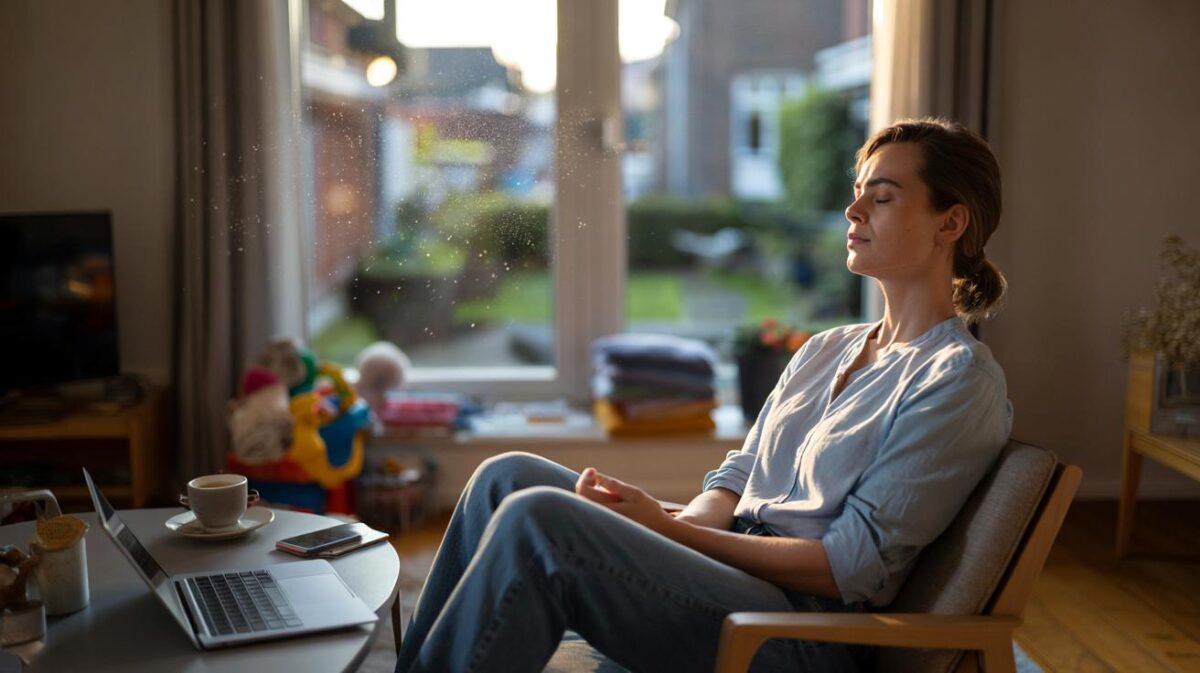
Your thoughts keep looping, your shoulders stay up near your ears, and your jaw is tight without you noticing. Relaxation starts to feel like another task you’re failing at.
That’s the strange paradox: the more you want to unwind, the more tense you become.
Picture this. You leave work, exhausted, and tell yourself: tonight I’ll really rest. You commute home scrolling through news, Slack, and that one Excel meme your colleague sent “for fun”. At home, you slump on the couch, open Netflix, and simultaneously check Instagram. During the first episode, you remember an email you forgot to send. During the second, you grab your phone to “quickly” schedule it for tomorrow.
By 11 p.m., you’ve watched three episodes and don’t remember the plot. Your brain is buzzing, your neck hurts, and you still feel like you didn’t get an evening.
You go to bed tired, not rested.
There’s a name for this: lack of “psychological detachment” from work. Your brain hasn’t had the chance to mark the end of the workday. No transition ritual, no moment to exhale, only a slide from one screen to another. For the nervous system, that’s all the same storm.
Stress hormones stay high, and your mind remains on patrol duty, scanning for threats like unread emails or unfinished projects.
Over time, this constant half-on state erodes sleep, patience, creativity, even your sense of joy.
Small rituals that actually help you leave work at work
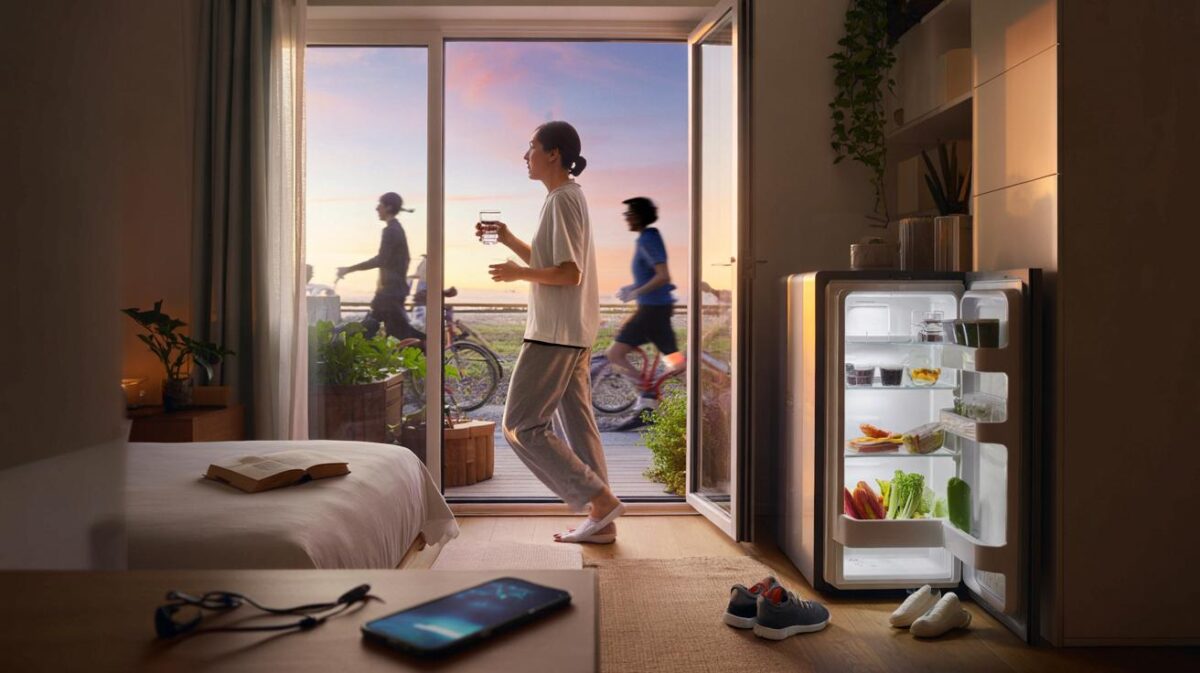
One of the most effective ways to relax after work starts long before the couch: the “commute ritual”. Even if you work from home, you can create an artificial commute. Ten minutes where you deliberately close the workday. No multitasking, no scrolling. Just a clear, repeated gesture that signals: shift over.
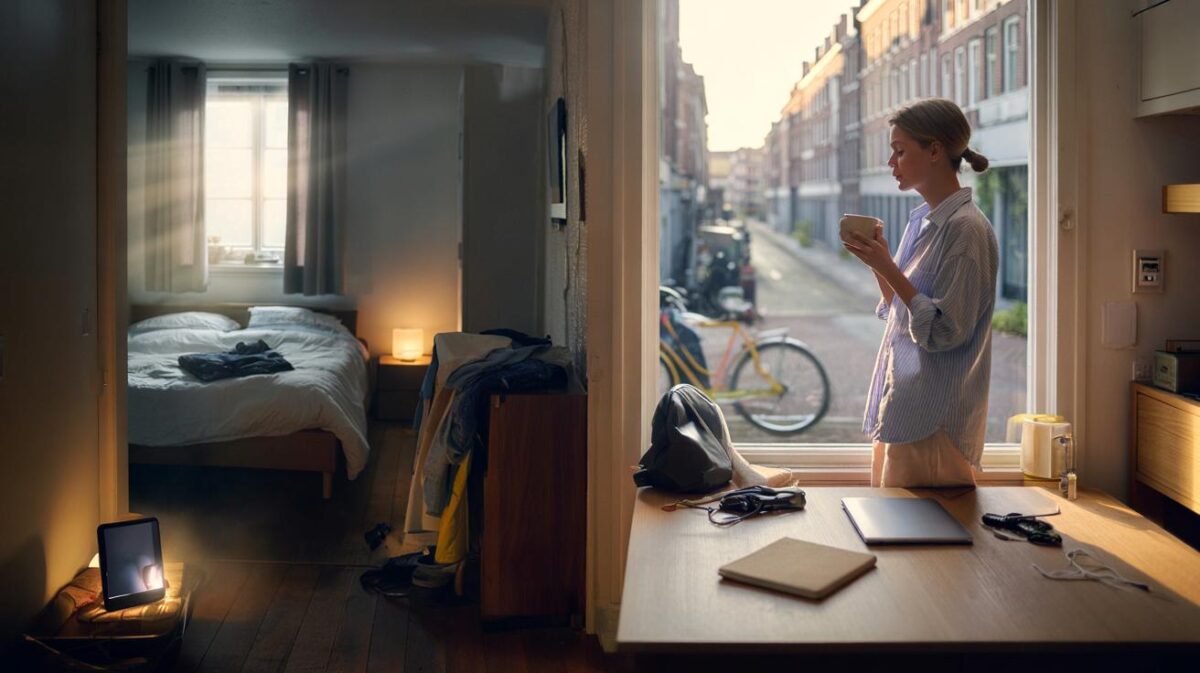
This can be a short walk around the block, a bike ride without headphones, a bus ride with one specific playlist. Or simply closing your laptop, tidying your desk, turning off notifications, and stepping into another room.
The content matters less than the repetition.
Most people try to relax by collapsing. Phone in hand. Delivery on the way. Background TV. That feels like downtime, yet your brain is still processing tons of information. No wonder you feel strangely empty after three hours of “rest”.
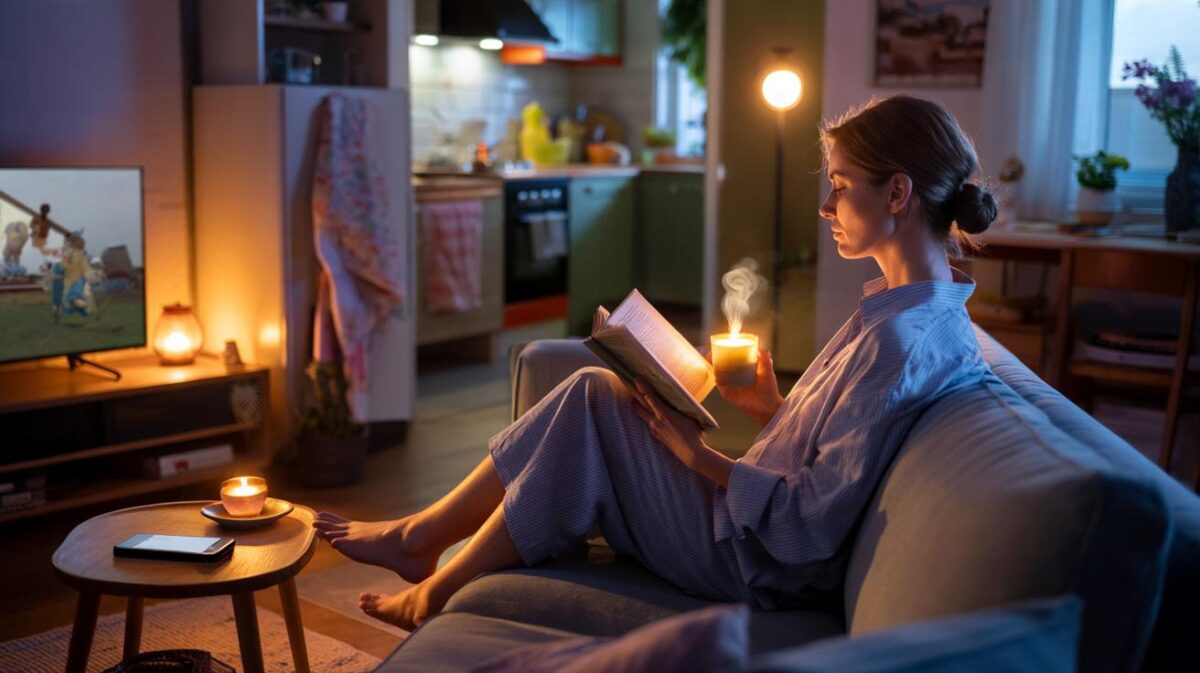
A gentler approach is to start with one low-effort, high-soothing activity that anchors you in your body: a hot shower taken slowly, stretching for five minutes, cooking something simple while focusing on the smells and sounds.
Let’s be honest: nobody really does this every single day. But doing it two or three evenings a week can already change the whole tone of your nights.
“My turning point was the day I realised my evenings were just a quieter version of my workday: same screens, same pace, just less emails,” a colleague told me recently.
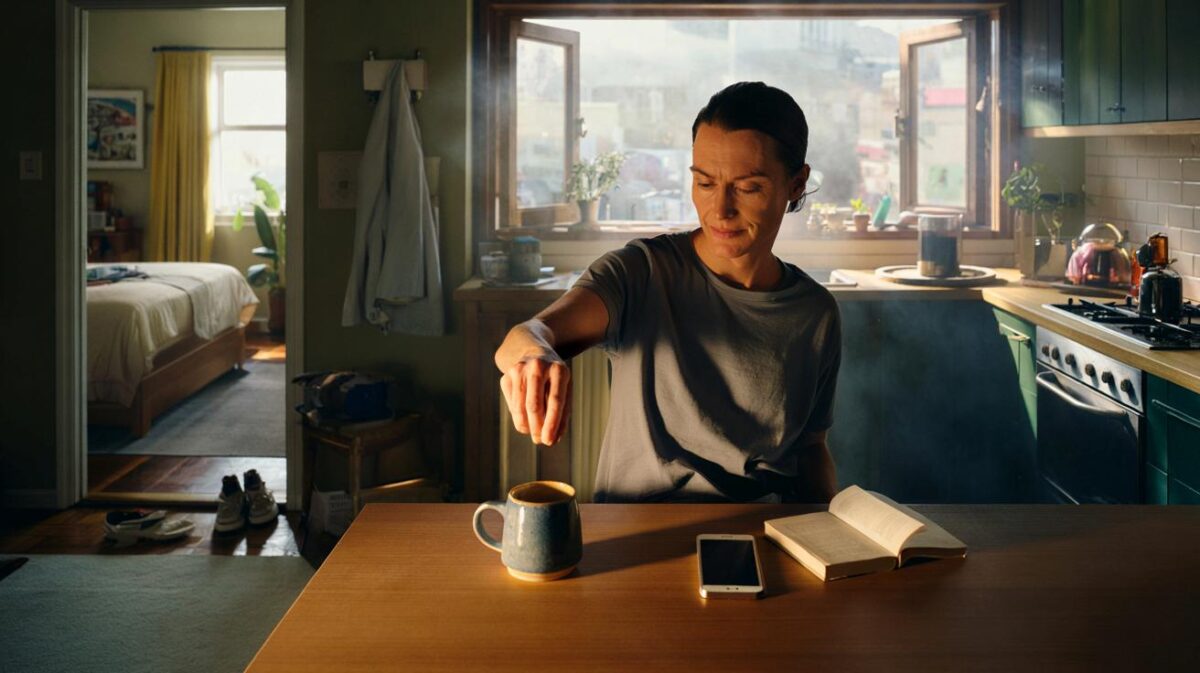
- Pick one tiny anchor: a walk, shower, tea ritual, or outfit change right after work.
- Set a clear boundary: for example, no work apps after 7 p.m. unless it’s a real emergency.
- Swap one passive habit for a nourishing one: reading a few pages, calling a friend, drawing badly on cheap paper.
- Accept messy evenings: some days relaxation will look like crying in the shower or eating cereal for dinner. That still counts as unwinding.
- Notice what truly calms you vs. what just numbs you, and lean 5% more into the calming side.
When tension after work is a signal, not a failure
Sometimes, struggling to relax is not just “I’m bad at self-care”. It’s a message. A sign your workload, environment, or boundaries are off. The Sunday dread, the 3 a.m. wakeups, the permanent knot in your stomach: those are data points.
*Your nervous system is quietly telling you that the current rhythm is unsustainable.*
Instead of judging yourself for not being able to unwind, you can start asking quieter questions: what exactly keeps replaying in my head, and what does that say?
| Key point | Detail | Value for the reader |
|---|---|---|
| Recognise mental “overtime” | Rumination, tension, and screen numbing after work show your brain hasn’t detached | Helps you see your struggle to relax as a normal stress response, not a personal flaw |
| Create a clear shutdown ritual | Repeat a simple end-of-work gesture: walk, shower, playlist, or desk reset | Gives your body a reliable cue that the workday is done, easing the transition |
| Adjust boundaries and habits | Limit after-hours work, reduce info overload, add one soothing activity | Builds real rest into busy evenings and protects energy over the long term |
FAQ:
- Why can’t I stop thinking about work at night?Your brain has been in problem-solving mode all day, and without a clear off-ramp it just keeps going. Rumination is your mind trying to “finish” unresolved tasks. A simple shutdown ritual and writing to-dos for tomorrow can help park those thoughts.
- Is watching series after work bad relaxation?Not automatically. A light show can be a nice way to switch off, especially if you genuinely enjoy it. The issue starts when you binge to escape and end up more drained. Mix screen time with at least one activity that grounds you in your body.
- How long should it take to really unwind after work?There’s no magic number, but many people need 30–90 minutes to shift gears. If you jump straight from work to chores to bed, your body never gets that window. A short, protected “buffer zone” in the evening can make a big difference.
- Does this mean I need a perfect evening routine?No. Perfect routines tend to collapse on real-life Tuesdays. Start with one small, repeatable element that feels doable most days. That consistency matters more than a long, ideal schedule you drop after a week.
- When is difficulty relaxing a warning sign?If you’re constantly on edge, sleeping poorly for weeks, feeling hopeless or physically unwell, or relying heavily on alcohol or meds to switch off, that’s a stronger signal. Talking to a GP or mental health professional can help you sort workload issues from deeper exhaustion or burnout.